Starting a Skincare Brand? Here's Why Packaging Should Be Your First Decision, Not Your Last
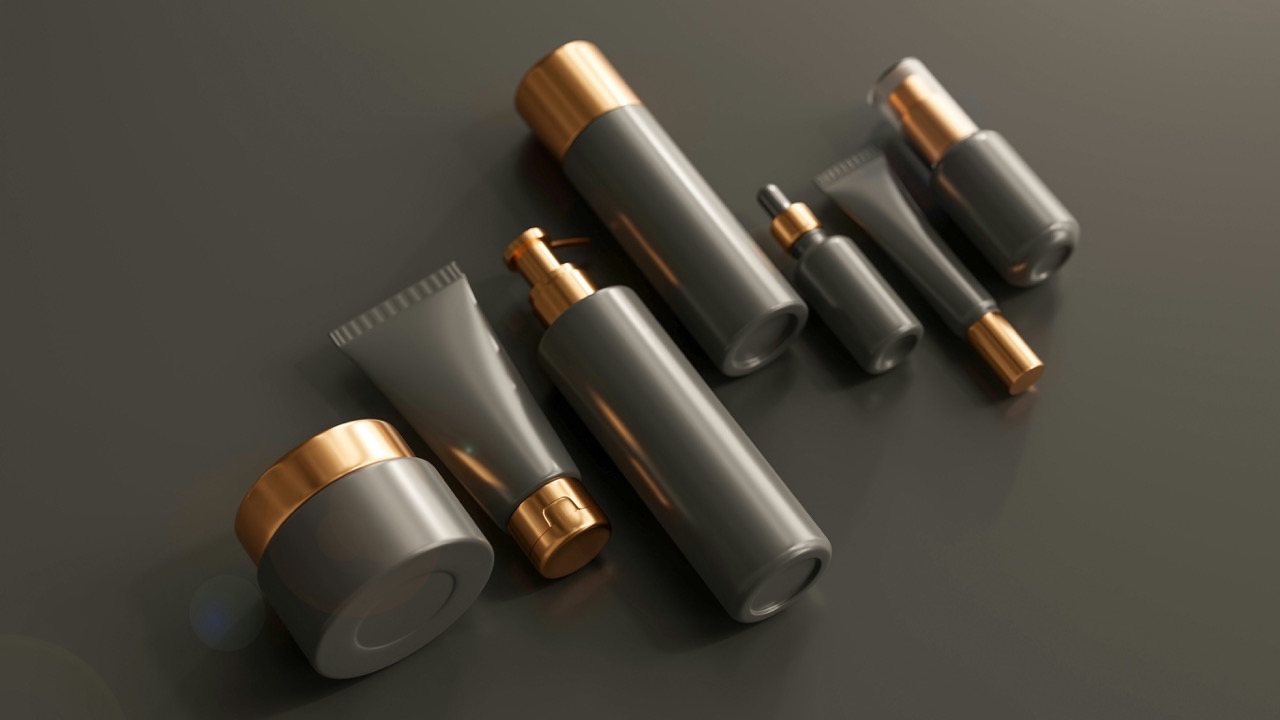
Most people who start a skincare brand follow the same sequence. First, they nail down the formula — the ingredients, the texture, the skin benefits. Then they sort out the branding — the name, the logo, the color palette. And then, somewhere toward the end, they figure out what to put it all in.
It feels like a logical order. The product comes first, then everything else follows.
The problem is that packaging doesn’t just hold the product. It affects the product. And by the time most founders start thinking about bottles and jars, they’ve already made decisions that limit their options in ways they didn’t anticipate.
The Formula and the Package Are Not Separate Things
Here’s something a lot of first-time brand founders don’t know: the packaging you choose has a direct impact on your formula — and vice versa.
Some ingredients are sensitive to light, which means they need opaque packaging to stay stable. Some active ingredients react with certain types of plastic, which rules out entire material categories. Water-based formulas can support bacterial growth if the closure isn’t airtight, which means you need a pump or an airless dispenser rather than a jar. Oil-heavy formulas need closures that seal properly to prevent leaking.
If you’ve already finalized a formula and then try to find packaging for it, you may discover that the bottles you like aren’t compatible, or that compatible options don’t look the way you want. At that point, you’re either compromising the formula or compromising the aesthetic — and neither is a great position to be in.
Starting with packaging in mind means these decisions get made together, not sequentially.
Packaging Determines More Than You Think
Beyond formula compatibility, packaging choices affect several other things that matter a lot when you’re launching a brand.
Fill volume and MOQ. The size of your bottles determines how much product you need per unit, which affects your minimum order quantity with your manufacturer. A small change in bottle size can have a significant knock-on effect on how much inventory you need to carry and how much capital that ties up.
Production timeline. Custom packaging — a unique bottle shape, a specific closure, a particular finish — requires mold development, which takes time. If you start thinking about packaging late in the process, you may find yourself with a finished formula and no compatible packaging ready in time for your launch date.
Cost per unit. The material, the finish, the closure type, and the order quantity all feed into the cost of each unit of packaging. These numbers need to be known early so that the pricing of the final product makes sense. Discovering that your preferred packaging makes the retail price uncompetitive isn’t a fun realization three months before launch.
Shelf space and shipping. The dimensions and weight of your packaging affect how products are shipped, stored, and displayed. A bottle that’s beautiful but unstable on a shelf, or one that’s too tall to fit in a standard retail fixture, creates problems that are hard to solve after the fact.
What Working With a Packaging Design Service Early Actually Looks Like
When you bring in packaging design services at the start of the process rather than the end, the conversation is completely different.
Instead of “here’s my formula, what can you fit it in,” the conversation becomes “here’s my brand, my customer, my price point, and my formula type — what structure and material makes sense?” That starting point opens up far more options and leads to packaging that was designed for the product rather than adapted to it.
A good packaging design partner will ask about your formula early, flag compatibility issues before they become expensive problems, show you 3D renders so you can see what the finished product looks like before committing to tooling, and produce physical samples you can hold and evaluate before production begins.
That process costs time upfront. But it costs far less than redesigning packaging after launch, or discovering mid-production that your formula and your bottle don’t get along.
The Brand Story Starts With the Package
There’s a creative reason to think about packaging early too, not just a practical one.
Your packaging is often the first physical thing a customer interacts with. It’s what they see in photos before they buy, what they unbox when it arrives, and what sits on their bathroom shelf every day afterward. It’s doing brand communication continuously, in a way that a website or an ad doesn’t.
If packaging is treated as an afterthought — something to sort out once everything else is decided — it tends to look like one. The bottle shape doesn’t quite match the brand personality. The finish was chosen from whatever was available rather than what was ideal. The label looks slightly off because the dimensions weren’t planned for.
When packaging is designed as part of the brand from the beginning, it shows. The structure, the material, and the visual identity feel like they came from the same place — because they did.
The Short Version
If you’re starting a skincare brand, the packaging decision isn’t something to defer until you have everything else figured out. It’s one of the first decisions, and it shapes a lot of what comes after it.
The brands that get this right tend to launch smoother, spend less on fixes, and end up with packaging that actually fits the product and the brand. The ones that treat it as a finishing touch often wish they’d started earlier.