How iPhone Lens Protectors Actually Affect Photo Quality — What to Know Before You Buy
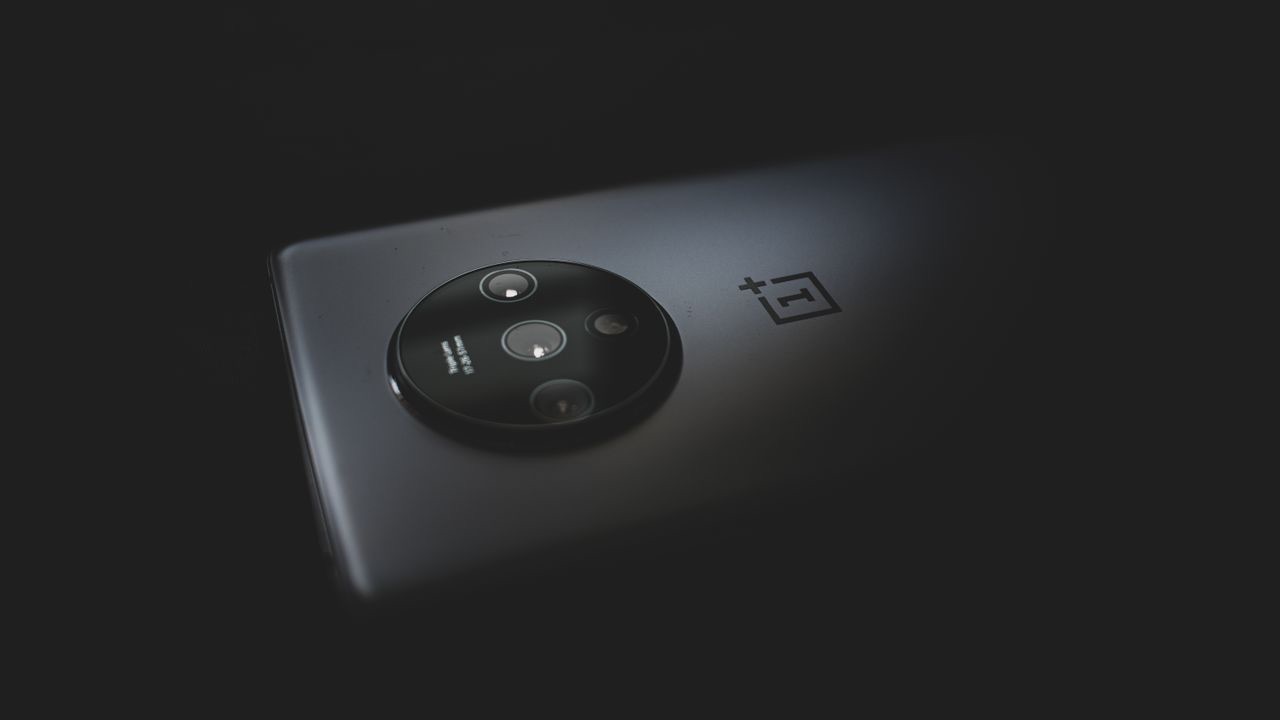
The lens protector category for iPhones sits in an awkward position in the accessory market. It’s presented as a protective essential by most sellers, but the tradeoffs it introduces — optical clarity reduction, potential flare changes, interference with close-focus performance — are rarely discussed with the same enthusiasm as the protection benefits. Getting the full picture before adding a piece of glass over your iPhone’s camera system helps you make a decision that’s actually right for how you use your phone.
This isn’t an argument against lens protectors across the board. Many people get real value from them. But the quality of the outcome depends heavily on which product you buy and what you expect it to do.
What a lens protector is protecting against
The lens housing on recent iPhone models sits slightly proud of the back glass — a raised bump that concentrates wear and impact risk on that area. The physical camera lens itself is protected by sapphire glass in current models, which is extremely scratch-resistant under normal use conditions. Keys in a pocket alongside an iPhone don’t realistically scratch sapphire glass; sand particles can, and drops onto abrasive surfaces can cause chips at the lens edge.
A lens protector primarily defends against those edge-impact events and, for the surrounding ring area, reduces the scratching that comes from the raised bump contacting surfaces repeatedly. Whether you need that protection depends on how you carry and use your phone. Someone who keeps their iPhone in a dedicated pocket with no other objects faces very low practical risk of lens damage. Someone who drops their phone regularly, carries it without a case, or keeps it in a bag with keys and coins has a more legitimate reason to consider protection.
Understanding what you’re actually protecting against helps set realistic expectations. If the goal is pure impact protection for the lens glass, the thickness and hardness of the protector matter. If the goal is keeping the housing ring from scuffing, the quality of the adhesive and material matters differently.
How optical quality varies between products
This is where most lens protector reviews fall short, because optical differences are difficult to photograph and describe in ways that transmit clearly. The practical reality is that lens protectors introduce glass over a camera system already precisely calibrated for its designed optical path. Adding any element changes that path.
For basic protectors at the lower end of the price range, optical effects can include: slight reduction in low-light performance as the protector blocks a small percentage of incoming light; increased internal reflections that show up as ghosting or flare artifacts in certain lighting conditions; softening of fine detail that becomes noticeable at 100% crop on detailed subjects; and interference with autofocus speed in some close-focus scenarios.
High-quality protectors made with optical-grade glass and anti-reflection coatings minimize but don’t eliminate these effects. The best products — from makers who specifically design for minimal optical impact — are measurably better than cheap alternatives in controlled testing, though all protectors introduce some change from the unprotected baseline.
For iPhone owners who primarily shoot video in well-lit conditions, share photos at social media resolution, or aren’t scrutinizing images at full resolution, optical differences between a quality iphone camera cover and the unprotected lens are unlikely to matter in practice. For people who care about maximum image quality in challenging lighting, the tradeoff is real.
The installation quality problem
Even a high-quality lens protector delivers poor results if it’s installed badly. The two most common installation failures are dust trapped under the protector and misalignment that leaves part of the lens or edge exposed.
Dust is the persistent enemy of any adhesive glass installation. A single particle trapped at the center of the lens produces a visible soft spot in images. Installation should happen in the cleanest environment you can manage — a steamy bathroom before it clears reduces airborne particulates, though this isn’t perfect. The included cleaning kit in most packages (microfiber cloth, alcohol wipe, dust removal sticker) needs to be used in sequence and the final step should happen immediately before applying the protector.
Alignment matters because the protector needs to seat properly over each camera module without covering the flash or microphone, and the adhesive ring needs to bond to a clean surface. Rushing this step is the primary cause of the need to buy a second set of protectors.
For the multi-camera systems on Pro models, installation is more complex because the protector positions over three separate lenses plus the LiDAR scanner, and misalignment that looks minor during installation can result in autofocus errors or blocked sensors.
Thickness and its consequences
Lens protectors are typically 0.2mm to 0.33mm thick. This seems negligible, but the added thickness affects a few things that matter: case compatibility and the time it takes for autofocus in certain close-focus shooting situations.
Case compatibility is the more immediately noticeable issue. Many iPhone cases with camera cutouts have tight tolerances around the lens bump. Adding 0.3mm of glass protector height can make an otherwise-compatible case now interfere with the protector edge, creating pressure that either causes the protector to lift over time or produces a gap that dirt collects in. Buying a case and protector from the same brand or a brand that confirms compatibility reduces this friction.
What the market looks like at different price points
The price range for iPhone lens protectors runs from under three dollars for multi-pack generic sets to fifteen to twenty-five dollars for individual branded sets with specific optical coatings and installation alignment tools.
The cheap multi-packs typically use regular glass without anti-reflection coatings, with adhesive rings that may not maintain their bond in high-humidity conditions, and with no installation assistance. They work adequately if installed correctly and replace easily when damaged, which they will be more frequently than higher-quality alternatives.
Mid-range options (eight to fifteen dollars) usually involve tempered glass with some level of coating, better adhesive quality, and installation alignment frames that simplify centering. This is where most users get acceptable results without significant optical tradeoffs.
Premium options emphasize optical coatings (AR coatings on both surfaces), precision tolerances calibrated for specific iPhone models, and installation alignment tools that lock the protector in position during application. For people who want to minimize optical impact while maintaining protection, this is the relevant category.
The right choice depends on what problem you’re solving and how much the camera quality of your iPhone matters to you in your actual shooting.