Why Rubber Timing Belts Wear Out Before Their Rated Life and What the Worn Belt Actually Tells You
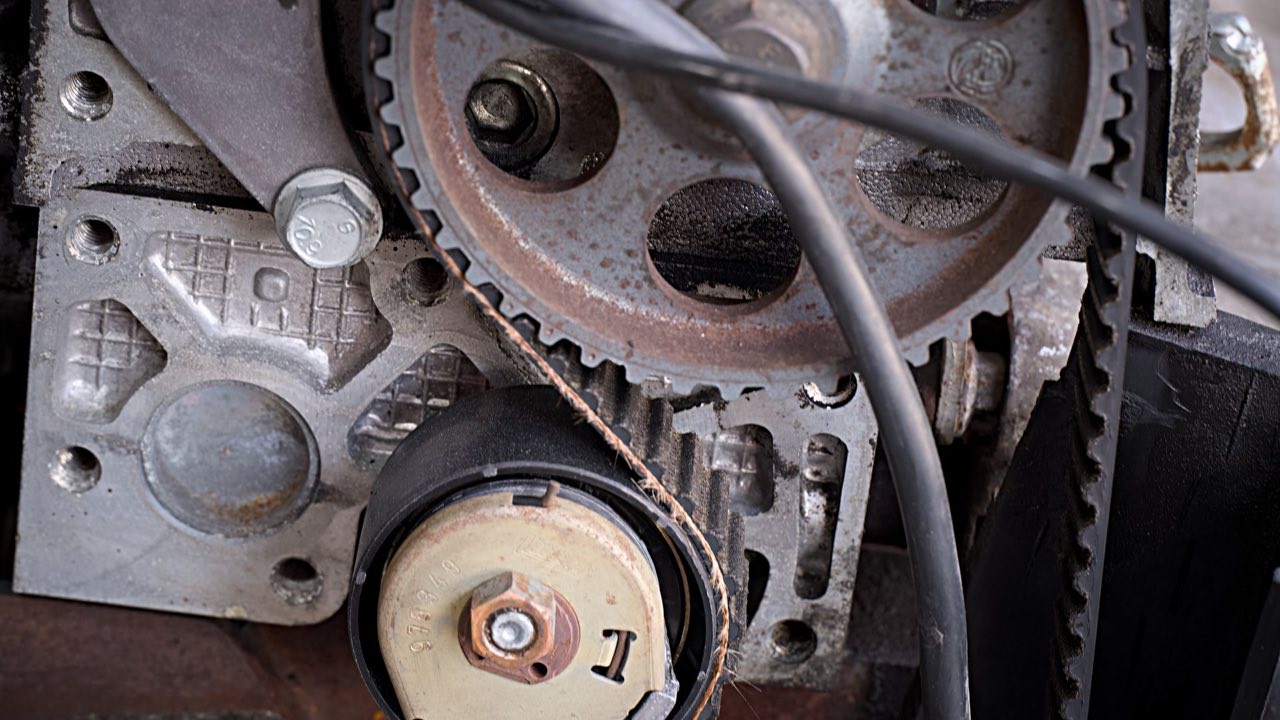
Belt manufacturers publish rated life figures that represent expected performance under defined conditions: correct tension, proper alignment, appropriate load, operating temperature within the compound’s range. When a belt fails before that rating, it’s tempting to conclude that the belt was defective. More often, the belt is telling you something about the drive that the rating wasn’t designed to cover.
A worn-out belt examined before it goes in the bin contains useful diagnostic information. The wear pattern — where on the belt it shows damage, what form that damage takes, and how it distributes across the belt width — points to specific root causes. Knowing how to read that pattern makes the next replacement last longer.
Tooth Shear: The Belt Was Overloaded
When teeth are cut or torn off cleanly, leaving the backing intact and the tensile cord undamaged, the failure mode is tooth shear. The load transmitted through the tooth exceeded the shear strength of the rubber at that cross-section.
Tooth shear happens when the drive is undersized for its actual peak load, when process changes have increased the load beyond the original design case, or when the machine experiences periodic jamming that transmits spike loads through the drive. A belt sized for a smooth, continuous load that now handles frequent start-stop cycles or intermittent jamming may be running at loads the original specification didn’t account for.
The fix isn’t always a different belt. Recalculating peak load, reviewing the service factor applied in the original design, and considering whether the tooth profile and belt width are appropriate for the actual operating condition is the starting point. Replacing with the same specification into the same application produces the same failure.
Tooth Root Cracking: Flex Fatigue
Cracks running parallel to the belt width across the tooth root indicate flex fatigue. The belt is being bent through an angle that exceeds its fatigue limit at the operating tension, and the tooth root — the highest-stress point in the flexed cross-section — is where fatigue cracks initiate.
The two conditions that drive tooth root cracking are belt tension that’s too high and pulley diameter that’s too small. High tension increases the stress at every flex point. Small pulley diameter increases the bending angle per revolution. Together they accelerate fatigue beyond what the belt’s rated life assumes.
Checking the minimum pulley diameter specified for the belt — manufacturers publish this based on belt section and tension range — and verifying that operating tension is within the recommended range addresses this failure mode directly. If the drive geometry requires a smaller pulley than the minimum, a different belt profile with better flex characteristics at small diameters may be the solution.
Uneven Wear Across the Belt Width: Misalignment
When one side of the belt teeth shows significantly more wear than the other, or when the belt is tracking consistently toward one edge of the sprocket, the drive is misaligned. The belt is running at an angle relative to the sprocket groove, which concentrates load on one side and causes the tracking behavior that produces uneven wear.
Misalignment in a timing belt drive comes from two sources: angular misalignment (the sprocket shafts are not parallel) and axial misalignment (the sprocket grooves are not in the same plane). Both produce edge loading; angular misalignment additionally causes the belt to track toward one flange repeatedly.
A straightedge or laser alignment check across the sprocket faces after the belt is replaced will identify which type of misalignment is present. This is worth doing before installing the replacement belt, because a new belt in the same misaligned drive will develop the same wear pattern within a fraction of the expected service life.
Tensile Cord Failure: Shock Load or Installation Damage
When the backing separates from the tooth section and the tensile cord is broken or stretched, the failure initiated in the cord rather than the rubber. This happens under two conditions: shock loading that exceeded the cord’s tensile capacity in a single event, or damage to the cord during installation when the belt was forced over a sprocket flange without adequate slack.
Cord damage from installation is avoidable. Timing belts should never be pried over a flange with a screwdriver or forced onto a sprocket under tension. The correct method is to reduce center distance, place the belt on both sprockets with slack, then restore tension through the take-up mechanism. If the drive geometry doesn’t permit this, installing the belt over a smaller idler first and then engaging the larger sprockets is the alternative.
Shock load damage from a single event — a jam, a sudden stop, a dropped load on a conveyor — appears as a clean break across the cord cross-section. The belt may otherwise look undamaged. If the drive can’t be modified to limit peak load, a belt with higher tensile capacity in the cord specification is the appropriate response.
Surface Wear Without Tooth Damage: Wrong Compound or Environmental Mismatch
When the belt surface — the back or the tooth flanks — shows progressive abrasion without cracking or shear, the belt compound is either mismatched to the operating environment or the belt is contacting a surface it wasn’t designed to run against.
Neoprene compound belts in ozone-rich environments show surface checking — fine cracks across the back — that precedes deeper degradation. Standard compound belts in oil-contaminated drives swell and soften, which appears as dimensional changes and loss of tooth profile definition before the belt fails outright. Belts running against guides or flanges that aren’t smooth wear on the edge faces.
For each of these, the solution is environmental rather than mechanical: ozone-resistant compound, oil-resistant compound, or smoothing and lubricating the contact surfaces the belt runs against.
Using the Belt to Improve the Next One
The diagnostic value of a worn belt is highest before it’s discarded. Photograph both faces, the tooth profiles, and the edge condition before removal. Note where the most wear is concentrated and what form it takes. This takes a few minutes and creates a reference that makes the failure mode analysis much more reliable than trying to remember what the old belt looked like after the new one is already running.
A rubber timing belt that fails early is almost always responding to a condition in the drive rather than failing spontaneously. The worn belt is the best evidence available for what that condition is.