Precision Ignition for Grilling and Fireworks: Why the Spot Matters as Much as the Spark
Anyone who has spent time around a serious grill setup or a backyard fireworks display knows that ignition is not just about generating a flame — it’s about putting that flame exactly where it needs to go. A wide flame torch that works fine for lighting a fireplace log does poorly when you need to ignite a specific burner port on a ceramic charcoal grill without charring the adjacent gasket. A long match works for most things but won’t reach the wick on a ground-level item that’s already partially assembled. The precision of where and how you apply the ignition source makes a real difference in certain applications, and that’s the gap that laser-based ignition tools address.
What precision ignition means for grilling
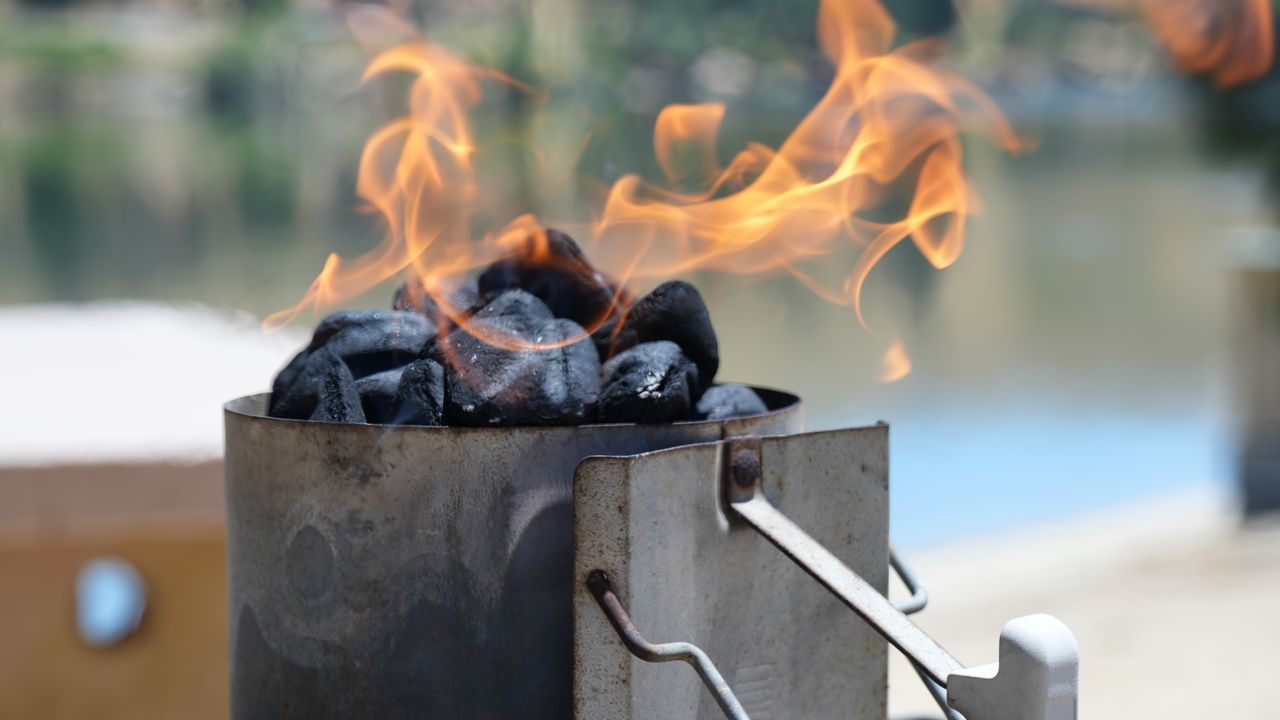
Charcoal grilling has seen a resurgence in methods that benefit from more careful lighting than lighter fluid and a match. Ceramic kamado grills, offset smokers, and wood-fired setups all have specific ignition requirements that differ from a basic kettle grill. In a kamado, the charcoal bed is deep and the airflow is controlled — lighting a small area in the center of the charcoal bed, rather than applying heat broadly, produces a more even burn and better temperature control as the fire spreads outward.
For this kind of controlled lighting, the tool matters. A wide flame torch heats a large area at once, which can produce uneven charcoal that burns out in patches. An electric coil lighter works but requires holding it in contact with the charcoal, which is awkward in a deep-bodied grill. A focused ignition source that can be directed at a specific point — the center of the charcoal pile, the base of a wood chunk, the kindling layer under the main fuel — without disturbing the arrangement above it is genuinely useful.
Pellet grills and wood-fired pizza ovens have their own ignition requirements, often involving specific starting positions where the initial flame catches most reliably. Users who have learned where their particular grill lights best tend to stay loyal to whatever tool reliably hits that spot without excessive flame spread.
The fireworks case: distance and accuracy together
Amateur backyard pyrotechnics — legal consumer-grade fountains, ground spinners, and similar items — present an ignition challenge that’s different from grilling: you want the ignition point at a specific location on the product, and you want to be standing as far back as possible when you apply the ignition. The traditional method is a long punk stick, which works but requires getting close and steady enough to touch the fuse reliably.
The appeal of a laser igniter in this context is that it combines distance with precision. You’re not arcing the light from a few meters away hoping it lands somewhere useful — the focused beam reaches the specific point you’re aiming at. For products where the fuse location requires careful positioning to ignite cleanly, this matters more than for items with large, easy-to-reach fuses.
The practical constraint is weather. Consumer laser igniters work in calm conditions; wind affects the combustion process more than it affects the beam, but enough wind changes what will and won’t ignite at all regardless of the tool. Rain and high humidity are more directly problematic, as they affect both the optics and the target material.
Where the allumeur laser fits into an enthusiast’s toolkit
For people who do serious grilling across multiple setups, or who run regular backyard displays, a laser igniter isn’t a replacement for every other ignition tool — it’s a complement. It earns its place in a toolkit when the application requires both accuracy and a degree of standoff distance, or when the geometry of what you’re lighting makes conventional tools awkward.
The sweet spot is ignition tasks where you can see the exact spot you need to light, it’s not easily reachable by hand with a standard lighter, and the material will respond to concentrated heat. Hardwood charcoal in the center of a deep grill bed checks all three. A tightly packed fireworks item with a small fuse tucked against a cardboard tube checks the first two. A quick-lighting fire starter that ignites at a touch checks none of them — in that case, any ignition method works and precision doesn’t add value.
What doesn’t work well with laser ignition
Understanding the limitations keeps expectations realistic. Materials that require prolonged heat dwell time — dense hardwood that needs sustained contact to begin combustion — may not respond well to a focused beam that passes over them briefly. The technique matters: holding the beam steady on a specific point for several seconds, allowing surface temperature to build, is different from sweeping it across an area.
Reflective surfaces and anything with significant moisture content resist laser ignition. The beam transfers heat to absorptive, dry material effectively; it reflects off shiny surfaces and largely evaporates from wet ones. For fire starting in damp conditions, this is a meaningful limitation compared to chemical fire starters that work despite moisture.
Bright sunlight reduces effective range and makes the beam harder to aim accurately, since you can’t see where it’s falling. Early evening or overcast conditions are where laser ignition works most naturally — which is also, not coincidentally, when most serious grilling and backyard displays happen.
Setup notes that make a difference
Users who get the best results from laser igniters mention a few consistent practices: having the target material properly prepared before attempting ignition (charcoal that’s slightly elevated for airflow, fuses that are intact and exposed), keeping the optic clean and dry, and allowing enough dwell time on the ignition point rather than moving the beam around. The focused energy needs to stay concentrated in one spot long enough to push the surface past ignition temperature — the tool does the work, but technique affects how quickly.
For grilling applications specifically, pairing the laser igniter with a good chimney starter or fire starter cube for initial lighting and using the laser for the more precise spot-lighting tasks plays to each tool’s strengths rather than asking either to do everything.